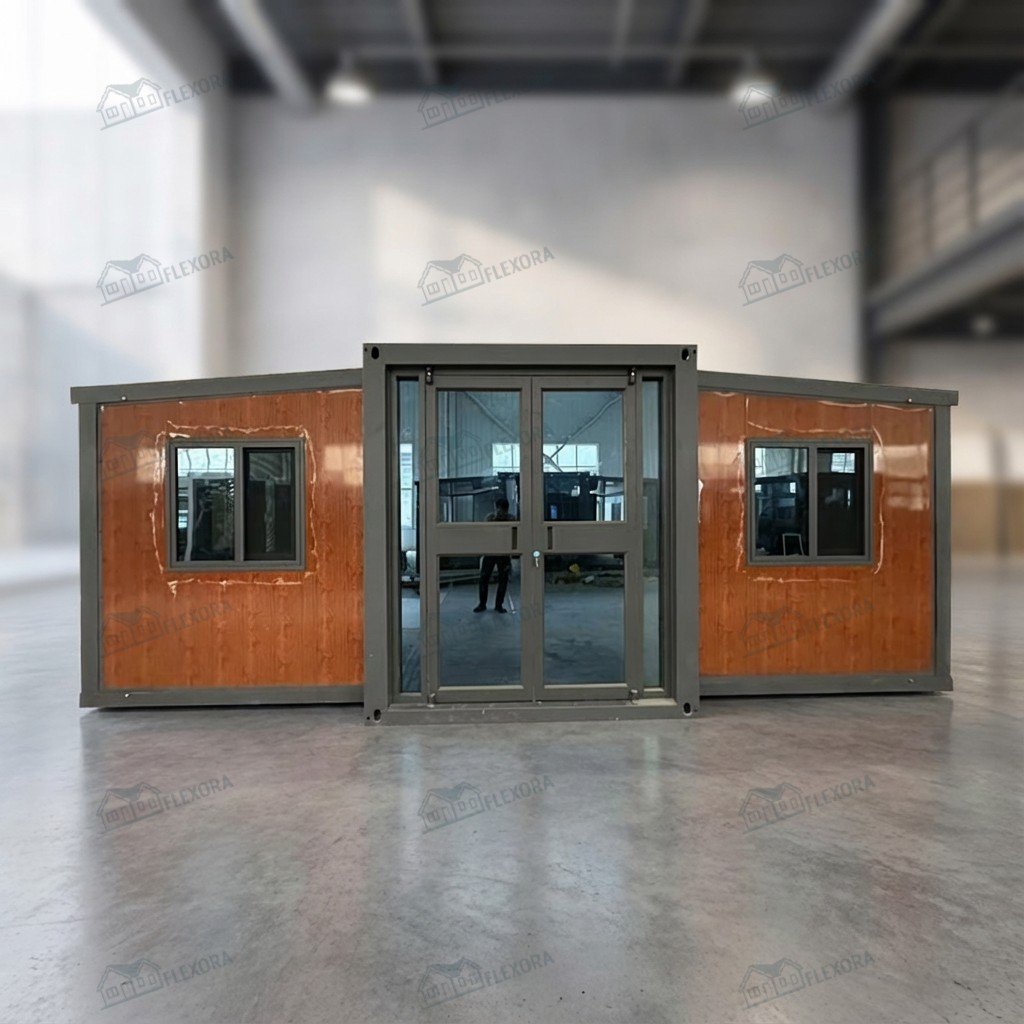
In recent years, the housing market has undergone a significant transformation. As traditional construction costs soar and environmental concerns take center stage, prefabricated homes (often called “prefab homes”) have emerged as a leading solution for savvy homeowners. Once associated with “cookie-cutter” designs, today’s prefab industry offers bespoke, high-end, and sustainable living spaces.
What Exactly is a Prefabricated House?
A prefabricated house is a dwelling built in sections (modules or panels) within a climate-controlled factory setting. These components are then transported to the building site and assembled on a permanent foundation. This process, often referred to as off-site construction, differs significantly from traditional “stick-built” homes constructed entirely outdoors.
Key Benefits of Choosing Prefab in 2025
1. Unmatched Speed and Efficiency
One of the most significant advantages of prefab housing is the compressed timeline. Because the site preparation (foundation and utility hookups) happens simultaneously with the factory construction, the total build time can be reduced by 30% to 50%. Unlike traditional builds, factory production is never delayed by rain, snow, or extreme heat.
2. Superior Quality Control
Building in a factory allows for precision that is nearly impossible to achieve on a construction site.
- Precision Engineering: Components are cut using advanced machinery (CNC) for a tighter fit.
- Protection from Elements: Materials stay dry and protected from mold or warping, which can occur when lumber is exposed to the elements during a traditional build.
3. Sustainability and Waste Reduction
Prefabricated homes are inherently “greener.”
- Minimal Waste: In a factory setting, leftover materials are recycled or reused for the next project rather than ending up in a landfill.
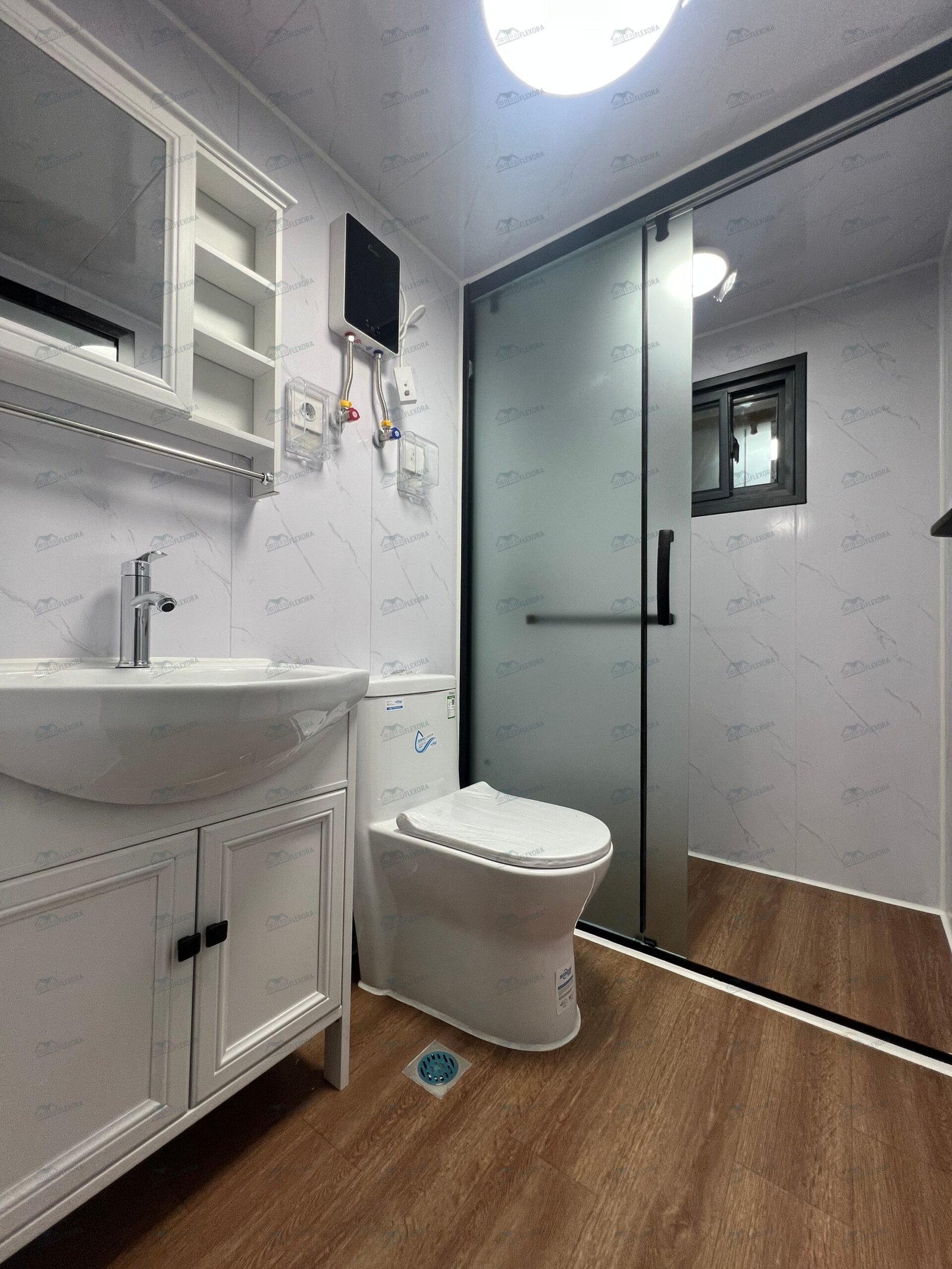
- Energy Efficiency: Modern prefab manufacturers prioritize high-performance insulation, solar readiness, and smart-home integration, often meeting LEED or Passive House standards.
4. Cost Predictability
Traditional construction is notorious for “budget creep” due to unforeseen labor shortages or material price spikes. Prefabricated homes offer a more transparent pricing model. Since the bulk of the work is quoted upfront by the manufacturer, homeowners face fewer financial surprises during the assembly phase.
Myths vs. Reality
| Myth | Reality |
| “They all look the same.” | Modern prefab offers near-limitless customization, from minimalist Scandinavian styles to mid-century modern designs. |
| “They are less durable.” | Prefab homes must meet (and often exceed) the same local building codes as traditional homes. They are designed to withstand the rigors of highway transportation. |
| “Financing is impossible.” | Most major lenders now treat modular prefab homes the same as site-built homes for mortgage purposes. |
Is a Prefab Home Right for You?
If you value speed, sustainability, and modern design, a prefabricated home is an excellent investment. Whether you are looking for a compact ADU (Accessory Dwelling Unit), a vacation cabin, or a large family residence, the modular industry provides a streamlined path to homeownership that traditional methods simply cannot match. https://www.youtube.com/shorts/hAg1GHv9VRQ
Pro Tip: When choosing a prefab partner, always check their portfolio for local projects to ensure they are familiar with your regional zoning laws and climate requirements.